Difference Between Hallmarked Gold and Non-Hallmarked Gold: What Every Indian Buyer Should Know
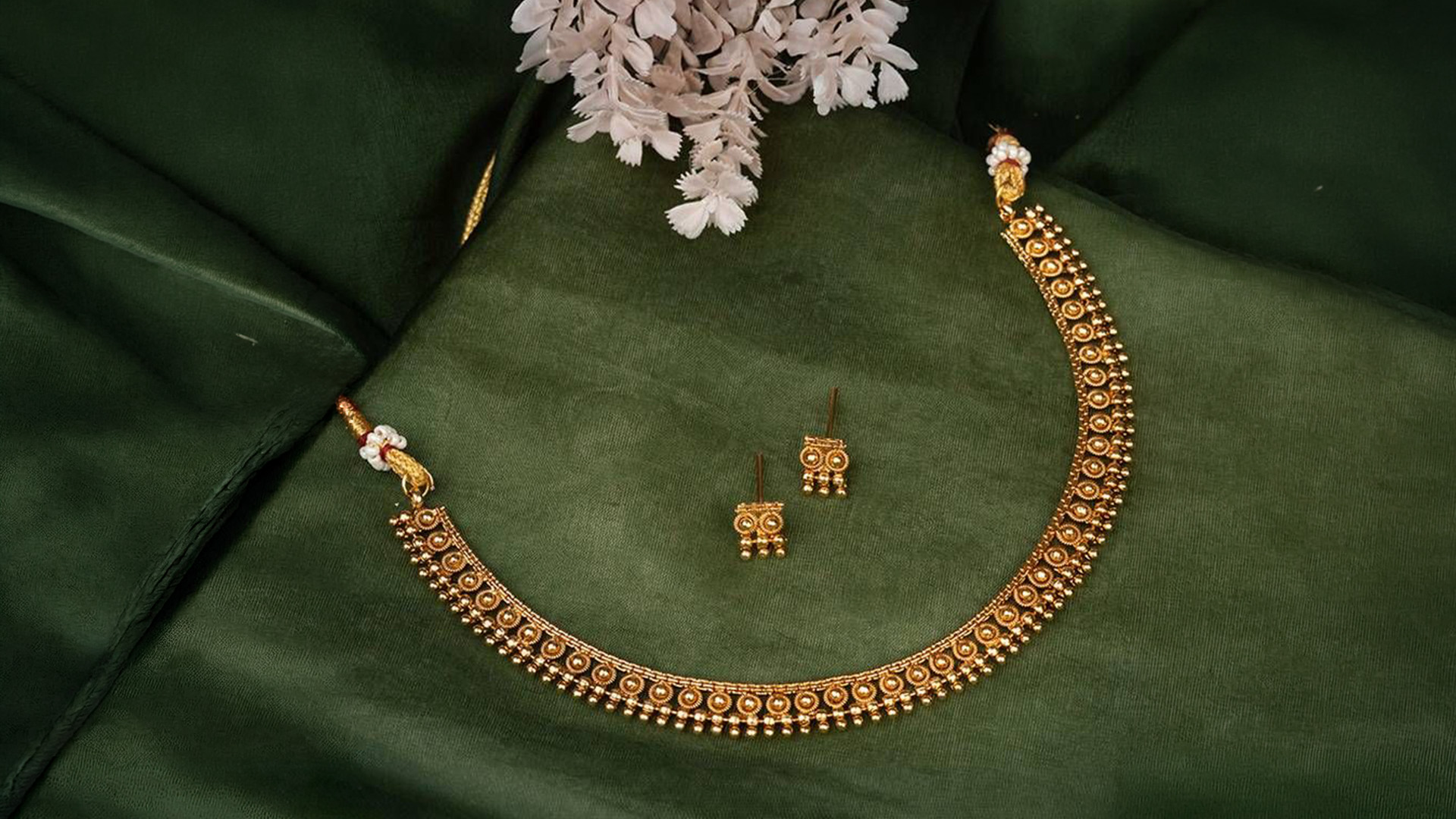
A family spends weeks planning for their daughter's wedding. They visit three jewellery shops, compare designs, negotiate prices, and finally buy a beautiful bridal gold set. Everything feels right. The jeweller seems trustworthy. The shop looks established. The gold looks bright and real.
Years later, when they try to exchange that jewellery for a newer design, the jeweller tells them the gold purity is lower than what they paid for. The resale value is far less than expected.
This is not a rare story. It happens across India more often than most people realise. And almost every time, the reason is the same. The gold was not hallmarked.
Understanding the difference between hallmarked and non-hallmarked gold is not just a technical detail. It is one of the most important things any Indian jewellery buyer should know before spending a single rupee on gold.
In this guide, we cover everything you need to know, plainly and honestly, so that your next gold purchase is safe, smart, and genuinely worth every rupee.
What is Hallmarked Gold Jewellery?
Hallmarked gold jewellery is gold that has been officially tested, certified, and approved for purity by the Bureau of Indian Standards, which is commonly known as BIS.
Think of BIS hallmarking as a government-backed purity guarantee. When a piece of gold jewellery carries a BIS hallmark, it means that the gold has been independently tested at an authorised hallmarking centre and confirmed to be exactly the purity it claims to be.
BIS stands for Bureau of Indian Standards, which is a government body that sets and enforces quality standards across industries in India. For gold, BIS certification is the gold standard, quite literally.
When you look at a BIS hallmarked gold piece, you will typically find three important marks engraved on it:
- The BIS logo, which looks like a triangle with the letters BIS inside
- The purity mark, such as 916 for 22 karat gold or 750 for 18 karat gold
- The HUID number, which is a unique six-digit alphanumeric code assigned to every hallmarked piece
The 916 hallmark on gold is one of the most common and trusted marks you will see in India. The number 916 simply means that 91.6 percent of the metal is pure gold, making it 22 karat gold. This is the standard used for most Indian bridal and traditional jewellery.
Every HUID number is registered with BIS and can be tracked digitally. It tells you exactly when and where the gold was tested. That level of transparency is what makes BIS hallmarked gold jewellery genuinely trustworthy.
What is Non-Hallmarked Gold?
Non-hallmarked gold is jewellery that has not been certified by BIS. It does not carry an official purity verification from any authorised testing centre.
This does not automatically mean the gold is fake. It simply means there is no independent proof of what the purity actually is. You are trusting the jeweller's word entirely, and that word has no official backing.
Non-hallmarked gold is common in several situations:
- Old family jewellery bought decades ago before hallmarking was widely available or mandatory
- Local jewellery from small unregistered shops that do not follow BIS certification norms
- Handmade or artisanal pieces from craftsmen who sell directly without going through the hallmarking process
- Imported jewellery that does not carry Indian BIS certification
- Second-hand or inherited jewellery with no certification documents
Many Indian families own non-hallmarked gold simply because it was purchased in a time when hallmarking was not common practice. That is completely understandable.
But today, with gold prices rising every year and fraud becoming more sophisticated, younger and more aware buyers are firmly choosing certified gold over uncertified gold. The shift is real, and it is well-founded.
Main Difference Between Hallmarked and Non-Hallmarked Gold
This is where it all comes together. Here is what truly separates these two categories for an everyday buyer.
Purity assurance is the biggest difference. Hallmarked gold has its purity officially confirmed by an independent lab. Non-hallmarked gold has no such confirmation. You are relying entirely on the jeweller's claim.
Transparency is another major factor. With BIS hallmarked gold, everything is traceable. The HUID number connects your jewellery to a verified record. Non-hallmarked gold offers no trail, no record, and no accountability.
Resale value is where many buyers feel the real pain. When you go to resell or exchange hallmarked gold, jewellers trust the purity certification and offer prices accordingly. With non-hallmarked gold, the jeweller will first test the purity before giving any quote, and if the gold turns out to be lower quality than expected, the resale price drops significantly.
Consumer protection works very differently for both. If a hallmarked piece turns out to have incorrect purity, you have legal recourse under BIS regulations. With non-hallmarked jewellery, there is no such protection.
Investment security matters enormously when gold is both a jewellery purchase and a financial asset, which it almost always is in India. Hallmarked gold gives you an asset with verified, documented value. Non-hallmarked gold is an asset with uncertain value.
Gold pricing clarity is cleaner with hallmarked jewellery. You know exactly what purity you are paying for and can calculate the fair price. With non-hallmarked gold, you could easily end up paying 22 karat prices for 18 karat gold.
How BIS Hallmark Confirms Gold Purity
The BIS hallmarking process is more rigorous than most buyers realise, and that is exactly what makes it reliable.
When a jeweller sends a piece of gold jewellery for hallmarking, it goes to a BIS-authorised assaying and hallmarking centre. These are independent laboratories recognised and regulated by the government.
At the centre, the gold is tested using scientifically accurate methods to determine the precise purity of the metal. If the gold meets the declared purity standard, the hallmark is applied. If it does not, it is sent back.
Once the piece passes testing, it is assigned a HUID number, which stands for Hallmark Unique Identification. This six-digit alphanumeric code is specific to that individual piece of jewellery and is registered in the BIS national database.
Common gold purity standards recognised under BIS hallmarking:
- 999 means 24 karat gold, which is 99.9 percent pure
- 916 means 22 karat gold, which is 91.6 percent pure
- 750 means 18 karat gold, which is 75 percent pure
- 585 means 14 karat gold, which is 58.5 percent pure
As a buyer, you can verify any hallmarked piece using the BIS Care app, which is available on both Android and iOS. Simply enter the HUID number on the piece and the app will confirm the gold's purity, the hallmarking centre that certified it, and other relevant details.
This level of traceability is something no non-hallmarked piece can offer.
Risks of Buying Non-Hallmarked Gold Jewellery
Let us be honest about the real risks, because many buyers only discover them at the worst possible moment.
You may receive lower purity than promised. A jeweller may tell you it is 22 karat gold, but without hallmarking, there is no way to confirm this. Gold mixed with more base metals than declared is one of the most common forms of jewellery fraud in India.
You will overpay significantly. If you pay 22 karat prices but receive 18 karat gold, you are losing money on every gram you buy. Over a full bridal set, that loss can add up to tens of thousands of rupees.
Resale becomes a problem. Most reputed jewellers today will test non-hallmarked gold before offering any exchange or resale price. If the purity is lower than you believed, the quote will be lower than you expected. That moment of realisation, often during a financial need or a family occasion, can be extremely stressful.
You have no legal recourse. With non-hallmarked jewellery, there is no official paper trail. If you discover a problem later, there is very little you can do about it legally.
It weakens your investment position. Gold in India is both an ornament and a financial safety net. Non-hallmarked gold with uncertain purity is simply an unreliable asset. In moments when families need to liquidate gold quickly, this uncertainty causes real financial loss.
The trust factor is simply missing. When you buy non-hallmarked gold, you are placing complete faith in one individual seller with no independent verification whatsoever. In today's market, that is an unnecessary risk.
Benefits of Buying BIS Hallmarked Gold
This is the section every gold buyer in India deserves to read carefully.
Guaranteed purity is the most fundamental benefit. You are not trusting a salesperson. You are trusting a government-certified lab test. That is a completely different level of assurance.
Better resale and exchange value follows naturally from purity assurance. When you walk into any jeweller with BIS hallmarked gold, the transaction is faster, smoother, and almost always more favourable. The purity is known. The price is clear.
Complete transparency from purchase to resale is something hallmarked gold offers that no uncertified piece can. Every mark on the jewellery tells a story, and every part of that story is verifiable.
Safer investment with long-term value. When gold prices rise over the years, hallmarked gold rises with full confidence. You know exactly what you own, what it is worth, and what you will get for it.
Easy digital verification. The BIS Care app puts purity verification in your hands within seconds. This is something previous generations of gold buyers never had, and it is a powerful tool.
Consumer protection under BIS regulations. If hallmarked jewellery is found to have incorrect purity, there are formal mechanisms to raise a complaint with BIS. The accountability exists, which is a strong deterrent against fraud.
Peace of mind. This may sound simple, but it is genuinely valuable. Buying gold is an emotional decision for most Indian families. Knowing that the gold is certified and protected means you can enjoy the purchase fully, without any lingering doubt.
How to Check Hallmark on Gold Jewellery Before Buying
Before you finalise any gold purchase, take these steps. They take less than five minutes and can save you from years of regret.
Look for the hallmark mark on the jewellery itself. It is usually engraved on the inner surface of a ring, the clasp of a necklace, or a less visible part of the piece. It should be clear and readable, not smudged or faint.
Identify the BIS logo. It is a small triangular mark with BIS written inside. This confirms the piece has been through BIS certification.
Check the purity number. For 22 karat gold, it should read 916. For 18 karat, it should read 750. This number tells you the exact gold content.
Find the HUID number. This is a six-character code that is unique to your specific piece. Write it down or photograph it before buying.
Verify using the BIS Care app. Open the app, enter the HUID number, and the app will immediately show you the certified details of the piece. If the HUID does not match or does not appear, do not buy.
Always ask for a proper bill or invoice. The invoice should mention the purity, weight, making charges, and hallmark details. A jeweller who hesitates to provide a clear bill is a red flag.
Never rush. A good jeweller will always give you time to check hallmark details. If anyone discourages you from verifying, that itself is a reason to walk away.
Which is Better: Hallmarked or Non-Hallmarked Gold?
The answer is clear, and it is hallmarked gold, every single time.
This is not about dismissing older jewellery or judging families who own non-hallmarked pieces. Much of the traditional gold in Indian homes was bought in good faith before hallmarking was widely available. That gold has its own sentimental and real value.
But when it comes to buying gold today, in 2024 and beyond, there is absolutely no reason to choose non-hallmarked jewellery over BIS certified gold.
Gold prices in India are at historic highs. The amounts of money involved in any meaningful gold purchase are significant. The stakes, financially and emotionally, are too high to leave purity to chance.
Hallmarked gold gives you purity confidence, resale security, legal protection, and investment clarity. Non-hallmarked gold gives you none of these. The choice, when framed this way, is not really a choice at all.
Modern Indian buyers are increasingly aware of this. The demand for BIS certified gold has grown steadily across cities and towns alike. Younger buyers especially are insisting on hallmarks before any purchase. This shift in buying habits is healthy, and it reflects a generation that understands the value of verified quality.
Frequently Asked Questions About Hallmark Gold
What is BIS hallmarked gold? BIS hallmarked gold is jewellery that has been officially tested and certified for purity by the Bureau of Indian Standards. It carries a unique hallmark that confirms the gold content and protects buyers from purity fraud.
What does 916 hallmark mean? The 916 hallmark means the gold is 91.6 percent pure, which is equivalent to 22 karat gold. This is the most common purity standard used for traditional and bridal gold jewellery in India.
Is hallmarked gold more expensive than non-hallmarked gold? The gold price is based on purity and weight, not the hallmark itself. Hallmarked gold may sometimes cost slightly more due to hallmarking charges, but these are minimal. What you gain in purity assurance and resale value far outweighs that small additional cost.
Can non-hallmarked gold be sold or exchanged? Yes, you can sell non-hallmarked gold, but most jewellers will test it for purity before offering a price. If the purity turns out to be lower than expected, the resale value will drop accordingly.
How to check gold purity at home? The most reliable way is to use the BIS Care app and verify the HUID number on your hallmarked jewellery. For non-hallmarked pieces, a professional assaying centre can test purity accurately. Household acid tests exist but are not reliably accurate for everyday buyers.
What is HUID in gold jewellery? HUID stands for Hallmark Unique Identification. It is a six-digit alphanumeric code engraved on every BIS hallmarked piece. It is registered in the national BIS database and can be verified digitally using the BIS Care app.
Is hallmarking mandatory in India? Yes. The Government of India made BIS hallmarking mandatory for gold jewellery across the country in 2021. Jewellers are required to sell only BIS hallmarked gold, and selling non-hallmarked gold as certified quality is a punishable offence.
Can fake hallmarks exist on gold jewellery? Unfortunately, counterfeit hallmarks do exist. This is why verifying the HUID number on the BIS Care app is so important. A genuine hallmark will always verify successfully through the app. If it does not verify, do not buy the piece.
How to verify BIS hallmark online? Download the BIS Care app from Google Play or the App Store. Open the app, select the hallmark verification option, and enter the HUID number found on your jewellery. The app will display all certified details for that specific piece instantly.
Why Purity Should Never Be Compromised
Gold is not just a metal in India.
It is the gift a father saves for years to give his daughter. It is the trust a family places in the future. It is a quiet promise passed from one generation to the next through heirloom pieces that carry both memory and value.
That kind of significance deserves protection.
When you choose BIS hallmarked gold, you are not just making a smart financial decision. You are ensuring that every rupee you spend on gold actually counts. You are protecting your family's investment. You are choosing transparency over blind trust.
Non-hallmarked gold may look identical to hallmarked gold in a glass display case. But what lies beneath the surface, the actual purity, the verifiable value, the legal protection, is entirely different.
The difference between hallmarked and non-hallmarked gold is ultimately the difference between certainty and doubt. And when it comes to gold, certainty is always worth it.
Always buy BIS certified gold. Always check the hallmark. Always verify the HUID. And always choose a jeweller who welcomes your questions rather than discouraging them.
Because gold that you can trust is gold that truly shines.