Real Gold vs Fake Gold: Complete Guide for Indian Jewellery Buyers
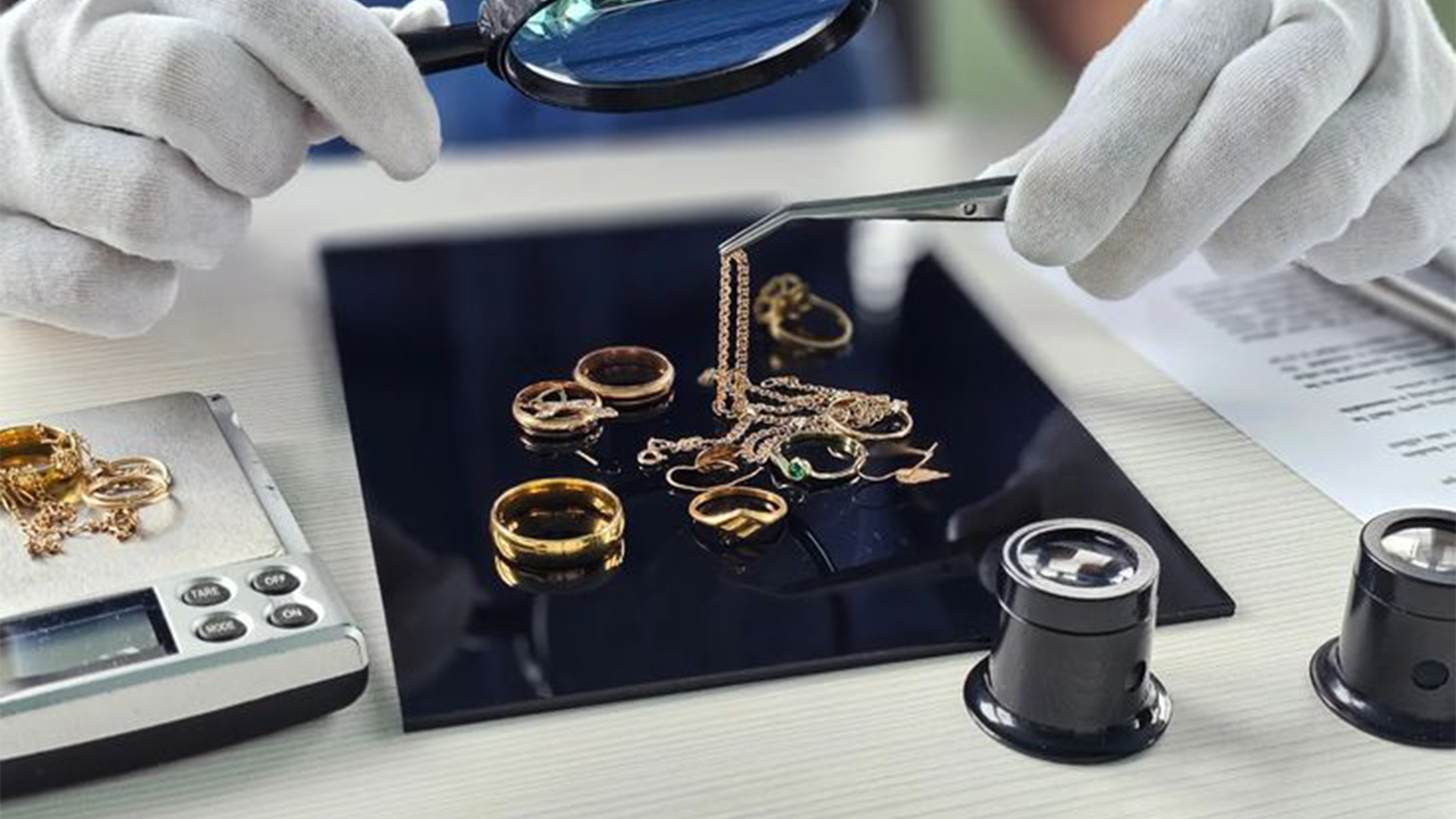
Learn how to identify real gold, understand BIS hallmark certification, and avoid fake gold jewellery with this complete buyer’s guide.
Buying gold in India is never just about jewellery. It is about trust, tradition, investment, and emotion. From wedding necklaces passed through generations to everyday gold chains worn with pride, gold continues to hold deep cultural and financial value.
But with rising gold prices and increasing online jewellery purchases, fake and low-purity gold jewellery has become more common than ever. Many buyers unknowingly purchase gold-plated or impure jewellery that only reveals its true quality months later.
The good news is that identifying real gold is easier than most people think.
In this complete guide, you will learn how to identify real gold, understand BIS hallmark certification, check gold purity at home, and avoid common mistakes while buying gold jewellery in India.
What Is Real Gold?
Real gold is a naturally occurring precious metal known for its durability, value, and resistance to corrosion. Unlike many other metals, gold does not rust or tarnish easily, which is why it has remained valuable for centuries.
However, jewellery is rarely made using 100% pure gold. Pure 24 Karat gold is very soft and can bend or scratch easily. To make gold suitable for jewellery, jewellers mix it with other metals such as copper, silver, or zinc.
Gold purity is measured in Karats:
- 24K Gold - 99.9% pure gold
- 22K Gold (916 Gold) - 91.6% pure gold
- 18K Gold - 75% pure gold
Among these, 22K or 916 gold is the most popular choice for traditional Indian jewellery because it balances purity and durability.
What Is Fake Gold Jewellery?
Fake gold jewellery is made using cheaper base metals like brass, copper, aluminium, or steel and then coated with a thin layer of gold to imitate the appearance of real gold.
At first glance, fake gold can look almost identical to genuine gold jewellery. However, over time, signs such as colour fading, skin reactions, or peeling surfaces begin to appear.
Fake gold is commonly found through:
- Unverified online sellers
- Roadside jewellery markets
- Low-cost imitation jewellery stores
- Sellers offering unrealistic discounts
This is why understanding gold purity and certification is extremely important before making any purchase.
Real Gold vs Fake Gold: Key Differences
Understanding the difference between real gold and fake gold becomes easier once you know what to look for.
Colour
Real gold has a rich, warm, and consistent colour. It does not look overly shiny or artificial.
Fake gold often appears too bright, slightly orange, or uneven in colour because it is only surface-coated.
Weight
Gold is a dense and heavy metal. Genuine gold jewellery usually feels heavier than fake jewellery of the same size.
If a large chain or bangle feels unusually light, it may not be real gold.
Hallmark Certification
Authentic gold jewellery in India carries a BIS hallmark certification that confirms its purity.
Fake jewellery may either lack a hallmark or use fake, poorly engraved stamps.
Skin Reaction
Real gold does not leave green, black, or grey stains on the skin.
If jewellery causes discoloration after wearing it, the metal likely contains copper or brass.
Magnetic Properties
Gold is not magnetic.
If the jewellery reacts strongly to a magnet, it contains iron or other magnetic metals and is not pure gold.
Price
Gold prices are linked to daily market rates. If jewellery is being sold at an unrealistically low price, it is a major warning sign.
How to Check Gold Purity at Home
There are several simple ways to check whether your jewellery might be real gold before visiting a professional jeweller.
The Magnet Test
Hold a strong magnet close to the jewellery.
Real gold is non-magnetic, so it will not react.
If the jewellery is pulled toward the magnet, it likely contains iron or another magnetic metal.
The Water Test
Drop the jewellery gently into a glass of water.
Real gold is heavy and sinks immediately to the bottom.
Fake or hollow jewellery may float or sink slowly.
The Vinegar Test
Place the jewellery in white vinegar for around 10–15 minutes.
Real gold will not react or change colour.
Fake gold may darken or show signs of corrosion.
The Skin Test
Wear the jewellery for several hours.
Real gold does not stain the skin.
Green or black marks usually indicate the presence of copper or brass.
The Hallmark Check
Use your phone camera zoom to inspect the jewellery carefully.
Genuine jewellery sold in India should contain:
- BIS logo
- Purity mark (916, 750, etc.)
- HUID number
Missing or unclear hallmarks are serious warning signs.
Professional Testing
For complete accuracy, visit a trusted jeweller or BIS-authorised hallmarking centre.
Professional XRF testing provides exact gold purity results without damaging the jewellery.
Understanding BIS Hallmark and 916 Gold
One of the most important things every gold buyer in India should understand is the BIS hallmark.
BIS stands for Bureau of Indian Standards, the official authority responsible for certifying gold purity in India.
A genuine BIS hallmark confirms that the jewellery has been independently tested and verified.
A proper BIS hallmark includes:
- BIS logo
- Purity mark (916, 750, 999)
- Hallmarking centre mark
- HUID number
The HUID number is a unique code assigned to each jewellery piece and can be verified using the BIS Care mobile app.
What Does 916 Gold Mean?
916 gold means the jewellery contains 91.6% pure gold, which is equal to 22 Karat gold.
This is the most preferred gold purity for traditional Indian jewellery because it offers both strength and high gold value.
At LULU GOLD, every jewellery piece is crafted using certified gold with complete transparency in purity and pricing.
Common Signs of Fake Gold Jewellery
Sometimes fake gold reveals itself through visible warning signs.
Colour Fading
Real gold maintains its colour for years.
If the golden surface starts peeling or fading quickly, it is likely gold-plated jewellery.
Rust or Black Spots
Gold does not rust.
Rust marks indicate the presence of iron or steel underneath the coating.
Green Skin Stains
Green or bluish stains on the skin usually indicate copper-based fake jewellery.
Metallic Smell
Real gold is odourless.
A strong metallic smell suggests cheaper base metals.
Poor Finishing
Low-quality clasps, rough edges, or uneven polish are often signs of counterfeit jewellery.
Smart Tips Before Buying Gold Jewellery
Being an informed buyer is the best way to avoid fake gold.
Buy from Trusted Jewellers
Always choose reputable and BIS-registered jewellery brands.
Trusted jewellery brands like LULU GOLD ensure customers receive BIS hallmarked gold jewellery backed by quality assurance and transparency.
Verify the Hallmark
Never rely only on verbal claims.
Always inspect the BIS hallmark and verify the HUID number if possible.
Ask for Proper Billing
A genuine jeweller will provide:
- Detailed invoice
- Gold weight information
- Purity details
- Making charge breakdown
Compare Gold Rates
Check the daily gold rate before visiting a jewellery store.
Prices significantly below market value should raise concern.
Be Careful with Unrealistic Discounts
If a gold deal looks too good to be true, it probably is.
Real gold prices are tied to international market rates and cannot be sold at extremely low prices.
Frequently Asked Questions About Gold Purity
How can I check if gold is real at home?
You can use methods like the magnet test, water test, vinegar test, and hallmark inspection for an initial check. For complete accuracy, professional testing is recommended.
What does 916 mean in gold jewellery?
916 indicates that the jewellery contains 91.6% pure gold, also known as 22K gold.
Is BIS hallmark mandatory in India?
Yes. BIS hallmarking is mandatory for gold jewellery sold in India.
Can fake gold have a hallmark?
Yes. Some counterfeit jewellery may carry fake hallmarks. Always verify the HUID number using the BIS Care app.
Which gold purity is best for jewellery?
22K or 916 gold is ideal for traditional jewellery, while 18K gold is commonly preferred for diamond and lightweight jewellery.
Final Thoughts
Gold jewellery is more than a purchase - it is a long-term investment and a part of life’s most meaningful moments. Understanding gold purity, hallmark certification, and authenticity helps you make confident and informed buying decisions.
Whether you are buying jewellery for a wedding, investment, or everyday wear, always choose certified and trusted gold.
At LULU GOLD, we believe every customer deserves complete transparency, certified purity, and jewellery crafted to last for generations.
Explore BIS hallmarked gold jewellery collections at LULU GOLD and shop with confidence.