Traditional vs Modern Gold Jewellery: Which Style is Better for Today's Generation?
Picture this. A grandmother carefully unwrapping her heavy temple necklace to drape it around her granddaughter's neck on her wedding morning. And the same granddaughter, just a week later, wearing a delicate gold chain with a minimalist pendant to her office.
Both moments involve gold. Both are beautiful. But they represent two completely different worlds of jewellery.
Indian jewellery has come a long way. From the thick, intricately carved temple sets of our grandmothers to the slim, barely-there gold pieces younger women wear today, the change has been significant. And yet, neither style has truly gone out of fashion.
Traditional gold jewellery still rules weddings and religious occasions. Modern gold jewellery is taking over everyday wardrobes, office spaces, and social media feeds. Both have loyal fans. Both have real advantages.
So which style is actually better for today's generation? The answer is not as simple as picking one over the other. And that is exactly what this guide will help you understand.
Whether you are a bride planning her jewellery trousseau, a working woman looking for daily wear gold, or simply someone trying to make the right jewellery investment, keep reading. This is your complete gold jewellery buying guide to choosing between traditional and modern gold jewellery styles in India.
What is Traditional Gold Jewellery?
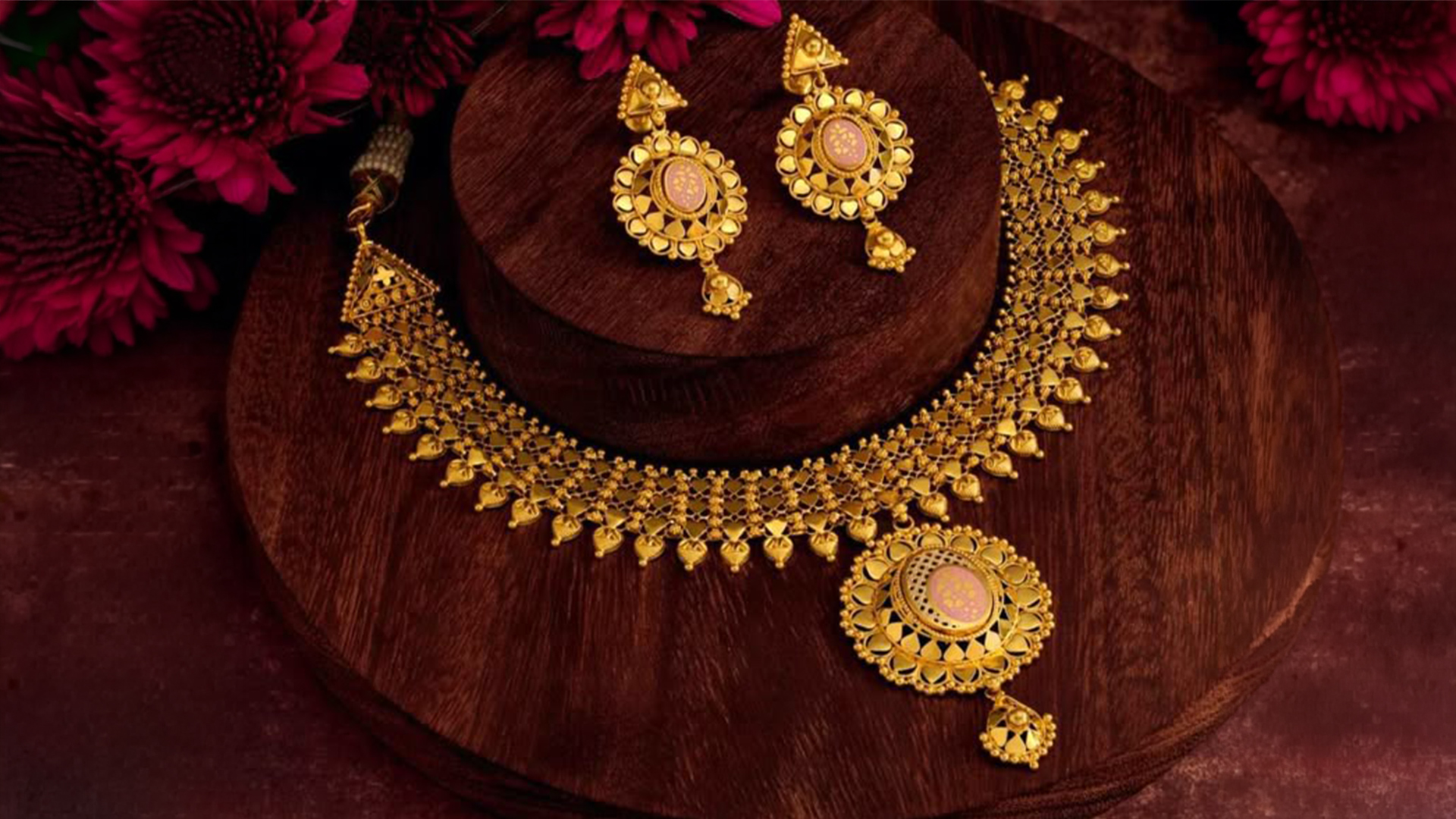
Traditional gold jewellery is the kind that has been passed down through generations. It is deeply rooted in Indian culture, regional craftsmanship, and centuries-old design traditions.
Think of the heavy temple jewellery worn during South Indian weddings. The thick Kundan necklaces of Rajasthan. The detailed jadau sets of Hyderabad. The broad bangles and choker necklaces that define a Bengali bridal look. Every piece tells a story of the region it comes from and the hands that crafted it.
Traditional jewellery is usually:
- Heavy in weight with a high gold content
- Detailed and intricate, featuring motifs like peacocks, flowers, leaves, and deity figures
- Handcrafted using age-old techniques like meenakari, filigree, or repoussé
- Designed specifically for weddings, festivals, and religious occasions
- Meaningful and emotionally significant to the wearer and the family
Temple jewellery, antique jewellery, and bridal jewellery sets all fall under the traditional category. These pieces are often heirlooms that are gifted, inherited, and kept for generations.
Traditional jewellery designs are deeply tied to Indian identity. For many families, it is not just jewellery. It is heritage, devotion, and memory all crafted into gold.
What is Modern Gold Jewellery?
Modern gold jewellery is everything that traditional jewellery is not, and that is not a criticism. It is a reflection of how women's lives, preferences, and lifestyles have changed.
Today's woman moves fast. She travels, works, socialises, and lives a life that calls for jewellery that keeps up with her. Modern jewellery was born out of exactly that need.
Contemporary gold jewellery is:
- Lightweight and easy to wear for long hours
- Minimal in design, focusing on clean lines and geometric shapes
- Versatile enough for office, casual outings, and evening events
- Budget-friendly because of lower gold weight and simpler making processes
- Influenced by global fashion trends and social media aesthetics
Thin gold chains, small hoop earrings, delicate stackable rings, and geometric pendants are all examples of modern jewellery trends that are dominating Indian fashion today. These pieces look as at home with a formal blazer as they do with a casual kurta or a party dress.
Modern Indian jewellery has also redefined what wearing gold means. It is no longer just for special occasions. It is an everyday expression of personal style. And that is exactly why younger buyers across India are drawn to it.
Difference Between Traditional and Modern Gold Jewellery
Understanding the differences between these two styles will help you make smarter buying decisions based on your lifestyle and needs.
Design and Appearance
Traditional jewellery is ornate, detailed, and visually bold. Every centimetre is filled with craftsmanship. Traditional jewellery designs often include sacred motifs, regional patterns, and hand-engraved detailing that takes skilled artisans days to complete. Modern jewellery leans toward simplicity. Less is more. The beauty lies in clean form rather than elaborate decoration.
Weight and Comfort
Traditional pieces are heavier because they contain more gold and often include precious stones or elaborate metalwork. They are designed for special occasions where you wear them for a few hours. Modern jewellery is designed for all-day comfort. It is lightweight, easy to carry, and rarely causes fatigue or discomfort even after twelve hours of wear.
Occasions and Usage
Traditional gold jewellery shines at weddings, religious functions, and cultural festivals. It is made for moments that call for grandeur. Modern jewellery is built for the everyday. Office days, brunches, casual outings, and parties are where contemporary gold jewellery feels most natural.
Investment Value
Traditional jewellery typically contains more gold by weight, which means a higher inherent gold value. However, the making charges on heavily handcrafted pieces can be very high. Modern jewellery often has lower gold content but also lower making charges. For pure investment purposes, gold weight and purity matter more than design style in both cases.
Maintenance and Care
Traditional jewellery with intricate stonework and enamel detailing requires careful storage and periodic professional cleaning. Modern jewellery is generally easier to maintain because of its simpler construction. Lightweight daily wear gold pieces can be cleaned safely at home without worry.
Fashion Appeal
Traditional jewellery follows timeless design principles that never truly go out of style. It is classic. Modern jewellery follows fashion cycles and can be updated more frequently without a large investment. Both have their own lasting appeal, just in very different ways.
Why Traditional Gold Jewellery is Still Popular in India
Despite the rise of minimal and modern jewellery trends, traditional gold jewellery has never lost its hold on Indian hearts. And honestly, it probably never will.
The emotional weight of traditional jewellery is something modern designs simply cannot replicate. When a mother gifts her daughter a set of temple jewellery on her wedding day, it carries decades of love, savings, and meaning. That is not something a minimalist chain can replace.
Here is why traditional jewellery continues to thrive across India:
- Cultural identity: Different regions of India have distinct traditional jewellery styles that people proudly wear as part of their heritage. From Kerala's Kasavu-inspired gold sets to Maharashtrian nath and thushi, traditional jewellery designs define who you are and where you come from.
- Wedding traditions: Indian weddings are still largely traditional at heart. Bridal gold jewellery sets, maang tikkas, haath phool, kamarband, and jhumkas are essential parts of the bridal trousseau. No bride wants to compromise on this.
- Family inheritance: Traditional jewellery is passed down through generations. It holds sentimental value that no price tag can measure. Many families still buy heavy gold pieces specifically as heirlooms for their children.
- Temple jewellery popularity: Temple jewellery is deeply connected to devotion and spirituality for many Indian families. It is worn during puja, temple visits, and religious festivals as a mark of reverence.
- Long-term investment: Heavier traditional pieces hold significant gold weight, making them a solid store of value. Many Indian families treat their traditional jewellery collection as a financial safety net for future generations.
Traditional jewellery is not just fashion. It is feeling. And that is why it endures.
Why Today's Generation Prefers Modern Gold Jewellery
Walk into any jewellery store catering to young buyers today and you will immediately notice the shift. Light layered necklaces. Tiny hoop earrings. Geometric rings. Simple bar pendants. The demand for modern gold jewellery has exploded, and for very good reason.
For today's generation, jewellery is no longer just about tradition or ceremony. It is about everyday identity, personal confidence, and a style that travels with you from your morning commute to your evening plans. Modern jewellery was made exactly for this life.
- Comfort and practicality: Lightweight gold jewellery can be worn from morning to night without discomfort. For someone commuting, working in an office, and attending social events all in one day, that matters enormously.
- Everyday wearability: Daily wear gold jewellery has become a wardrobe staple for young women across India. A delicate chain, a pair of small hoops, or a stackable ring can elevate any outfit without looking overdressed.
- Budget-friendly choices: Modern designs often use less gold and simpler craftsmanship, which means they are more accessible. A young professional can build a beautiful jewellery collection without spending a fortune.
- Social media and fashion influence: Instagram, Pinterest, and fashion blogs have made minimalist and contemporary gold jewellery incredibly aspirational. Young buyers see modern jewellery trends on creators they admire and want the same aesthetic.
- Personal style expression: Modern jewellery allows for more individuality. Mixing metals, layering pieces, and experimenting with geometric shapes lets buyers express their personality through what they wear.
- Versatility across occasions: A modern gold set can be dressed up for a party or toned down for a workday. That flexibility is something busy young women genuinely value above everything else.
Modern gold jewellery is not about abandoning tradition. It is about building a style that works for real life today. And for India's new generation of buyers, that balance is everything.
Best Gold Jewellery Style for Weddings, Daily Wear, and Parties
The real answer to the traditional versus modern debate often comes down to occasion. The right style for you depends entirely on where you are going and what you need your jewellery to do.
For Weddings and Bridal Occasions
Traditional gold jewellery is still the clear winner for weddings. The richness, weight, and cultural significance of a full bridal gold jewellery set simply cannot be matched by minimalist designs.
A South Indian bride in a complete temple jewellery set, or a North Indian bride draped in a layered Kundan necklace and maang tikka, represents the fullest expression of her culture and celebration. For this occasion, go traditional. Go bold. Go all in.
That said, brides who want a fusion look or are having a smaller, intimate ceremony are increasingly choosing elegant modern sets that balance tradition and contemporary style beautifully.
For Daily Wear and Office
This is where modern gold jewellery wins completely. Lightweight chains, small stud earrings, thin bangles, and subtle rings are perfect for professional settings and everyday outfits.
Daily wear gold jewellery should be comfortable, low-maintenance, and versatile. It should not distract but should effortlessly complement your look. Modern minimal designs do this better than anything else.
For Parties and Social Events
This is where the lines beautifully blur. A statement modern piece like a bold geometric necklace or a layered contemporary set can make a powerful impression at a party. So can a single stunning traditional piece worn with a modern outfit.
Mixing traditional and modern gold jewellery for parties is a trend that top stylists and fashion-forward Indian women are fully embracing. There are no rules here. Wear what makes you feel confident and beautiful.
Pro Styling Tips: How to Mix Traditional and Modern Gold Jewellery
One of the most exciting jewellery trends for today's generation is the art of mixing traditional and modern gold pieces together. Done well, it creates a look that is uniquely personal, culturally rooted, and completely current.
Here are some practical styling ideas that work beautifully for Indian buyers:
- Pair a traditional temple earring with a modern minimal gold chain: The earring brings richness and heritage while the chain keeps the overall look fresh and contemporary. This combination works for festivals, family events, and even smart casual days.
- Stack a classic gold bangle with slim modern bangles: Mix one broad traditional bangle with two or three thin contemporary bangles. The contrast in weight and design creates a layered look that feels intentional and stylish.
- Wear a heavy bridal necklace with a simple modern maang tikka: Brides who want to balance the look can keep the necklace traditional and choose a sleek, minimal tikka to add a modern touch to the overall bridal style.
- Use modern rings to complement traditional sets: If you are wearing a heavy traditional necklace and earring set, balance the look by keeping your rings slim and geometric. This prevents the jewellery from looking overdone.
- Try antique gold pieces with contemporary outfits: Antique gold jewellery looks stunning when paired with fusion wear, western outfits, or modern saree drapes. The contrast between old-world gold and modern styling creates an effortlessly chic result.
Mixing styles is not just a trend. For today's generation, it is a way of carrying tradition forward while making it their own. And that is exactly what Indian jewellery has always been about.
Traditional vs Modern Gold Jewellery: Which is Better for Investment?
If you are buying gold jewellery partly as an investment, and most Indian buyers are, here is what you need to understand clearly.
The investment value of any gold jewellery piece comes from two things: the gold weight and the purity of the gold. Design style, whether traditional or modern, does not change the fundamental value of the gold inside.
Traditional jewellery typically contains more gold by weight because the pieces are heavier. This means a higher intrinsic gold value. However, traditional pieces also come with very high making charges because of the skilled craftsmanship involved. These making charges are usually not recoverable when you resell.
Modern jewellery pieces are lighter and often have lower making charges. This can actually work in your favour at resale because a larger proportion of what you paid went toward the gold itself rather than the labour cost.
A few important points for any gold jewellery investment:
- Always buy BIS hallmarked gold jewellery. This is non-negotiable. The hallmark certifies the purity of the gold and protects your investment completely.
- Focus on gold weight and karat when comparing value. A heavier 916 hallmark gold piece will hold more value than a lighter one, regardless of whether the design is traditional or modern.
- Keep all bills and certificates. Proper documentation significantly improves the resale process for both traditional and contemporary gold jewellery.
- Buy from reputable, BIS-registered jewellers. This applies whether you are buying a heavy bridal set or a lightweight daily wear chain.
The bottom line is this. If your primary goal is maximum gold value, choose heavier pieces with high gold content. If your goal is wearability and style, choose designs that match your lifestyle. In both cases, hallmark certification is the one thing that should never be compromised.
Frequently Asked Questions About Traditional and Modern Gold Jewellery
Which gold jewellery style is trending right now?
Minimal and contemporary gold jewellery is leading modern jewellery trends in 2025, especially among younger buyers. Layered chains, geometric pendants, small hoops, and stackable rings are all hugely popular. That said, traditional and antique gold jewellery styles are seeing a strong revival for bridal and festive occasions, with many brides choosing fusion looks that blend both styles beautifully.
Is traditional jewellery better for weddings?
Yes, for most traditional Indian weddings, traditional bridal gold jewellery remains the preferred choice. Heavy sets, maang tikkas, temple necklaces, and choker designs carry deep cultural significance. However, modern brides increasingly mix traditional and contemporary pieces to create a personalised look that feels both rooted and fresh.
Is modern gold jewellery good for daily wear?
Absolutely. Modern lightweight gold jewellery is designed specifically for everyday wear. It is comfortable for long hours, easy to maintain, and versatile enough to work with most outfits. A simple gold chain, small studs, or a thin bangle are perfect for office, travel, and casual days out.
Which jewellery style has better resale value?
Resale value depends primarily on the gold weight and purity, not the design style. Heavier traditional pieces typically contain more gold and may hold higher intrinsic value. However, traditional pieces also carry high making charges that are not usually recovered at resale. Both styles hold good value when bought as BIS hallmarked gold from reputable jewellers.
What is the best gold jewellery style for young buyers?
For today's generation of young buyers who want everyday wearability and style, modern minimal gold jewellery is the best starting point. It is budget-friendly, comfortable, and easy to mix and match. As budgets grow, many young buyers add one or two investment-quality traditional jewellery pieces to their collection for special occasions.
Can traditional and modern gold jewellery be mixed together?
Yes, and this is one of the most exciting trends in Indian jewellery styling right now. Pairing a traditional temple earring with a minimal modern necklace, or stacking contemporary rings alongside a classic gold bangle, creates a look that is uniquely personal and very stylish. There are no rules when it comes to mixing styles thoughtfully.
Is lightweight gold jewellery less valuable than heavy traditional pieces?
Lightweight modern gold jewellery contains less gold by weight, so its intrinsic gold value is lower than a heavier traditional piece. However, this does not mean it is less valuable as a purchase. Modern lightweight pieces often have lower making charges and higher wearability, making them excellent value for buyers who prioritise daily use over weight.
What are the most popular traditional jewellery designs in India?
The most popular traditional jewellery designs in India include temple jewellery from South India, Kundan and polki sets from Rajasthan, jadau jewellery from Hyderabad, meenakari pieces from Jaipur, and filigree work from Odisha. Each regional style carries its own distinct character, craftsmanship technique, and cultural significance.
How do I choose between traditional and modern gold jewellery for a gift?
For gifting, consider the recipient's lifestyle and preferences. Traditional gold jewellery pieces like bangles, temple earrings, or bridal sets are ideal for older family members or for gifting on weddings and major festivals. Modern lightweight gold jewellery is perfect for young professionals, college students, or anyone who prefers minimal everyday styles.
Conclusion
Here is the truth that no one really says out loud: you do not have to choose between traditional and modern gold jewellery. The best jewellery collection is one that has a little of both.
Traditional gold jewellery connects you to your roots. It carries culture, memory, and identity in every intricately crafted traditional jewellery design. It is perfect for weddings, religious occasions, and moments that deserve grandeur. And it holds real, lasting value as a financial asset.
Modern gold jewellery connects you to your present. It fits your daily life, matches your personal style, and lets you wear gold comfortably from morning to night. It is practical, versatile, and beautifully suited to how today's generation lives, works, and celebrates.
The best gold jewellery style is the one that matches where you are in life right now. A bride needs different jewellery than a working professional. A grandmother's heirlooms serve a different purpose than a first earring purchase. There is room for all of it, and the smartest buyers understand this.
Whatever you choose, one thing should never change. Always buy BIS hallmarked gold jewellery. Always verify the HUID using the BIS Care app. Always buy from a trusted, registered jeweller. These steps protect your investment and your trust, whether you are buying a heavy temple set or a delicate everyday chain.
Gold is not just something you wear. It is something you keep, share, and remember. Choose it wisely. Choose it beautifully.