Why Gold Jewellery Resale Value Matters Before You Buy
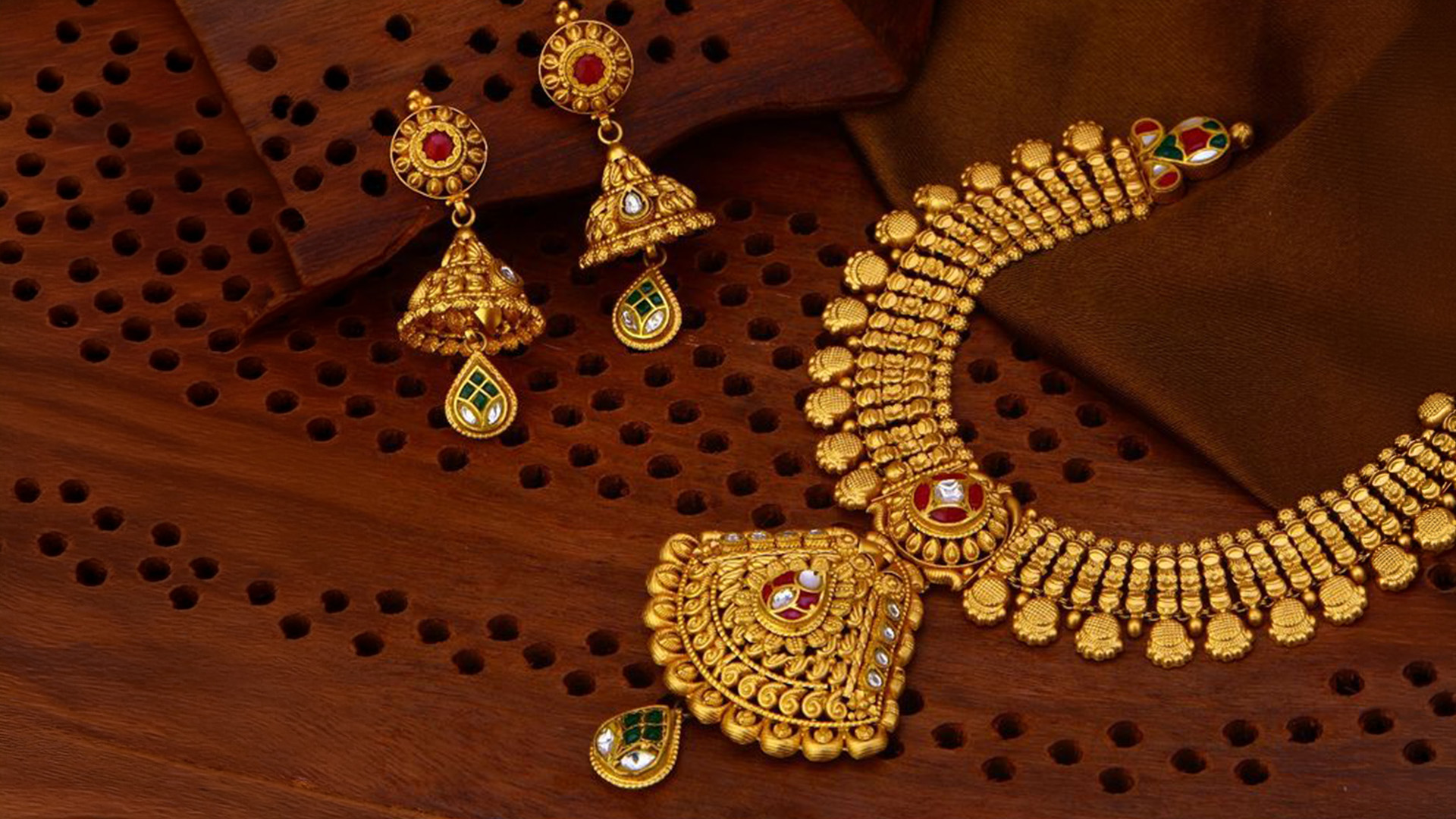
Gold holds a very special place in Indian households. We buy it for weddings, festivals, investments, and gifting. But most people focus only on the buying experience and rarely think about what happens when they want to sell.
Here is the truth: not all gold jewellery gives you the same return when you go to sell it.
Understanding gold jewellery resale value before you make a purchase can save you from significant financial loss. It can also help you make smarter decisions that protect your money in the long run.
This guide explains everything you need to know, from what affects resale value to how you can get the best old gold exchange value in India.
What Is Gold Jewellery Resale Value?
Gold jewellery resale value is the amount of money you receive when you sell your gold ornaments, either to a jeweller, a gold exchange counter, or a bank.
It is almost never equal to the price you paid when buying. That gap exists because of several factors, including making charges, wastage deductions, and whether your jewellery is hallmarked or not.
The resale price is typically calculated based on:
- The current gold rate on the day you sell
- The purity (karat) of the gold
- The weight of the gold content (excluding stones and other metals)
- Whether the jewellery carries a BIS hallmark
Understanding this calculation helps you set realistic expectations and negotiate better when the time comes to sell.
Factors Affecting Gold Jewellery Resale Value
Several things determine how much money you will actually get when you sell your gold. Let us go through each one clearly.
Gold Purity
Purity is the most important factor. In India, most jewellery is made in 22K gold, also known as 916 gold because it contains 91.6% pure gold. Some jewellery is made in 18K gold, which has a lower gold content.
The higher the purity, the better the 22K gold resale value or 916 gold resale value you will receive. Lower karat jewellery fetches proportionally less.
Current Gold Market Rate
The live gold price on the day of your sale directly determines your payout. Gold prices fluctuate daily based on international markets, the rupee-dollar rate, and demand-supply dynamics.
Selling during a price dip means a lower return. Timing your sale well can make a meaningful difference.
BIS Hallmark Status
BIS hallmarked gold is certified by the Bureau of Indian Standards and guarantees the purity of the gold. Hallmarked gold resale value is significantly better compared to non-hallmarked pieces.
Without a hallmark, buyers and jewellers will typically discount the resale price or conduct acid tests, leading to uncertainty and lower payouts.
Making Charges
This is the most commonly misunderstood factor. When you buy gold jewellery, you pay making charges that can range from 5% to 25% or more, depending on the design. These charges are for the craftsmanship involved.
When you sell, making charges are not refunded. Buyers calculate only the gold content value.
Stone Settings and Other Metals
Jewellery with diamonds, gemstones, or other metals will have those components removed during resale valuation. You are paid only for the actual gold weight, not for the decorative elements. Stones may be returned to you separately.
Hallmarked vs Non-Hallmarked Gold Resale Value
This is one of the most important comparisons every gold buyer needs to understand.
Why BIS Hallmark Gold Matters
BIS hallmark gold carries an official certification confirming its purity. The hallmark includes:
- The BIS logo
- The karat purity mark (such as 916 for 22K)
- The year of hallmarking
- The jeweller's identification mark
When you present hallmarked gold for resale, jewellers and gold exchange counters accept the purity without question. You get paid the full rate for 22K or 18K gold as applicable.
What Happens with Non-Hallmarked Gold
Without a hallmark, the buyer has no guarantee of purity. They will either:
- Apply an acid test to determine purity, which can be inaccurate
- Assume a lower purity and pay accordingly
- Charge a deduction for the uncertainty involved
This means non-hallmarked gold can fetch 5% to 15% less than its actual value. Over time, this loss can be substantial.
Since April 2023, the Government of India has made BIS hallmarking mandatory for gold jewellery sold by jewellers in most parts of the country. Always insist on a hallmark when buying, and keep the bill and certificate safely.
Making Charges and Gold Jewellery Resale ValueMaking charges gold jewellery buyers pay are one of the biggest sources of financial loss during resale. Understanding this can change how you approach your gold purchases.
How Making Charges Work
When you buy jewellery, the jeweller charges:
- The gold price based on current rates and purity
- Making charges as a percentage of gold value or as a flat per-gram rate
- GST of 3% on gold and 5% on making charges
These additional charges can add 15% to 30% to your total bill.
What Happens at Resale
When you sell the same jewellery, you receive only the gold value based on current market rates. No one compensates you for the making charges you paid. No one accounts for the GST either.
This is why the resale value is always lower than the purchase price when you sell shortly after buying, even if gold rates remain the same.
Practical Insight
If you are buying gold primarily as an investment, opt for simpler designs with lower making charges. Plain bangles, chains, or bars attract much lower craftsmanship fees. Their gold jewellery resale value is relatively closer to the intrinsic gold worth.
Heavily crafted or antique jewellery carries high making charges but does not necessarily command a premium at resale unless it is a recognised heritage piece.
Gold Resale Value Calculation
Knowing how to calculate what your gold is worth before walking into a shop gives you confidence and prevents underpayment.
Basic Gold Resale Value Calculation
Here is the general approach:
Step 1: Check the current gold rate per gram for the relevant purity. For 22K gold, it is typically about 91.6% of the 24K rate.
Step 2: Weigh the gold jewellery. If stones or non-gold components are embedded, their approximate weight will be deducted.
Step 3: Multiply the pure gold weight by the current rate per gram.
Step 4: Deduct any processing or exchange charges the buyer levies, which typically range from 1% to 3%.
The result is your approximate old gold exchange value.
Example Walkthrough
Suppose the current 22K gold rate is Rs. 6,500 per gram and you are selling a 10-gram gold chain.
- Gold value: 10 grams x Rs. 6,500 = Rs. 65,000
- Deduct processing charges (say 2%): Rs. 1,300
- Net resale value: approximately Rs. 63,700
This calculation does not include the making charges you originally paid, which are not recoverable.
How to Maximize Gold Jewellery Resale Value
Smart buying habits lead to better resale outcomes. Here are proven ways to protect your investment.
Buy Only BIS Hallmarked Gold
Always buy hallmarked gold jewellery from registered jewellers. This guarantees purity and ensures you receive fair resale rates without any deductions for uncertainty.
Keep All Purchase Documents
Preserve the original invoice, hallmark certificate, and purity details. When you sell, these documents help establish the authenticity and purity of your gold without dispute.
Choose Simpler Designs for Investment Purposes
If your primary goal is financial return, avoid heavily ornate pieces with high making charges. Simpler jewellery has lower charges and a resale value that is closer to the prevailing gold rate.
Monitor Gold Prices Before Selling
Gold prices fluctuate. Selling when rates are high gives you a significantly better return. Track rates on the Multi Commodity Exchange or reliable jewellery association websites before making the decision to sell.
Compare Multiple Buyers
Do not accept the first offer you receive. Get quotes from at least two or three jewellers or certified gold exchange counters. Rates can vary, and even a small difference per gram adds up when you are selling a meaningful quantity.
Consider Reputed Gold Exchange Programmes
Many established jewellery chains and banks offer gold exchange programmes where you can exchange old gold for new jewellery or receive cash at transparent rates. These programmes often offer better terms than local jewellers.
How to Sell Gold Jewellery in India
Knowing the right channels is just as important as knowing the right price. Here is a clear overview of how to sell gold jewellery in India.
Option 1: Local Jewellers
The most common route. Walk into a trusted jeweller with your old gold, documents, and hallmark certificate. Get the weight verified and the purity confirmed before agreeing to a price.
Option 2: Organised Gold Exchange Counters
Brands like Tanishq, Malabar Gold, and Kalyan Jewellers operate exchange programmes with transparent pricing. These are safer for large quantities.
Option 3: Banks Offering Gold Monetisation
The Reserve Bank of India's Gold Monetisation Scheme allows you to deposit physical gold at designated banks and earn interest on it. This is not a direct resale but is a useful option for large quantities held as investment.
Option 4: Online Gold Buyers
Several verified platforms allow you to get quotes for old gold online and schedule a pickup. These can offer competitive rates but verify their credentials before proceeding.
Common Mistakes That Reduce Gold Resale Value
Avoid these errors to protect yourself from financial loss.
- Buying non-hallmarked gold, even at a discount
- Losing the original purchase invoice or hallmark certificate
- Selling during gold price lows out of urgency without comparing options
- Choosing heavily crafted jewellery purely for investment without accounting for high making charges
- Accepting the first resale offer without verifying the current market rate
- Getting gold tested at unverified shops that may understate purity
- Selling in a hurry without knowing the weight or current rates in advance
Each of these mistakes can reduce your payout significantly. A little preparation goes a long way.
Frequently Asked Questions
1. What is gold jewellery resale value and how is it calculated? Gold jewellery resale value is the amount you receive when selling your gold ornaments. It is calculated based on the current gold rate, the purity of your gold, and the actual gold weight after deducting stones or other metals.
2. Does BIS hallmarking affect gold resale value? Yes, hallmarked gold resale value is considerably better. Hallmarked jewellery confirms purity, so buyers do not apply deductions for uncertainty. Always buy BIS hallmarked gold.
3. What is 916 gold and why does it matter for resale? 916 gold refers to 22-karat gold containing 91.6% pure gold. It is the most common standard for jewellery in India. The 916 gold resale value is calculated at 91.6% of the prevailing 24K gold rate.
4. Are making charges refunded when I sell gold jewellery? No. Making charges gold jewellery buyers pay are not refunded at resale. Only the intrinsic gold value based on weight and purity is paid out.
5. How can I get the best old gold exchange value? Keep your purchase documents, buy hallmarked gold, compare rates from multiple buyers, and sell when gold prices are favourable. Reputed jewellery exchange programmes often offer the most transparent rates.
6. What is the difference between 22K and 18K gold resale value? 22K gold contains 91.6% pure gold, while 18K contains 75%. The 22K gold resale value is therefore higher than 18K. When selling, buyers pay based on the gold content percentage.
7. Can I sell gold jewellery without the original bill? Yes, but it may reduce your negotiating position. Without a bill or hallmark certificate, buyers may verify purity through acid testing and could offer a lower price if there is any doubt.
8. Is gold jewellery a good investment in India? Gold jewellery investment has long-term value appreciation but is less efficient than gold coins, bars, or digital gold because of making charges and GST. For pure investment, coins or ETFs are more cost-effective. Jewellery combines emotional and financial value.
9. Where can I sell gold jewellery in India for a good price? You can sell at reputed jewellery chains with exchange programmes, certified gold exchange counters, banks under the Gold Monetisation Scheme, or verified online gold buyers. Always compare at least two or three quotes before selling.
10. How do gold prices affect resale value? Gold resale value is directly linked to the prevailing market price. Higher gold rates mean better resale returns. Tracking international gold prices and the rupee exchange rate helps you time your sale more effectively.
Conclusion
Gold is more than jewellery in India. It is savings, tradition, and security woven into every piece. But without understanding gold jewellery resale value, you risk getting less than your gold is genuinely worth.
The key takeaways from this guide are straightforward:
- Always buy BIS hallmarked gold and keep your purchase documents safe
- Understand that making charges are not recoverable at resale
- Calculate your expected resale value before selling using current rates
- Compare multiple buyers and choose reputed exchange programmes
- Time your sale when gold prices are strong
Whether you are buying for a wedding, a festival, or long-term investment, making informed choices from the start protects your money. Gold has always rewarded patient, knowledgeable buyers.
Buy wisely today, and your gold will serve you well for generations to come.