Types of Gold Colours: Yellow, White, and Rose Gold Explained
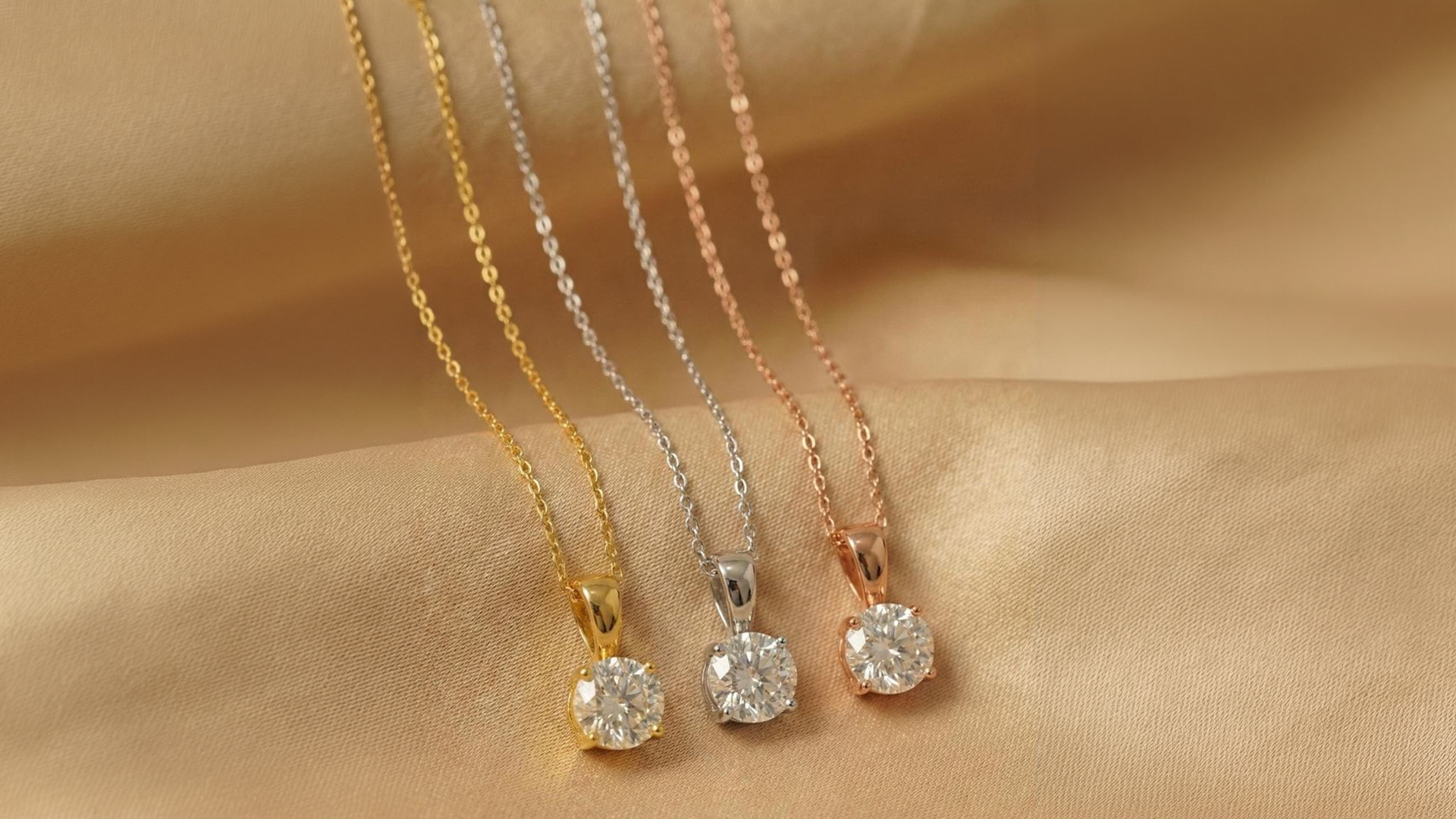
If you have ever walked into a jewellery store and found yourself confused by all the different shades of gold sitting in the display cases, you are definitely not alone. Yellow, white, rose - gold come in more colours than most people expect, and each one has its own personality, charm, and purpose.
Whether you are shopping for an engagement ring, a daily wear bracelet, or just trying to understand what makes each gold colour different, this guide breaks it all down in plain and simple language. By the end, you will know exactly which gold colour suits your lifestyle, skin tone, and budget.
Why Does Gold Come in Different Colours
Pure gold in its natural form is always yellow. It is soft, bright, and unmistakably warm. But here is the thing pure gold is too soft to be used directly in jewellery. It bends, scratches, and loses its shape easily.
To make gold strong enough for everyday use, jewellers mix it with other metals called alloys. The type of metal added to pure gold is what changes its colour. Add silver and zinc to gold, and you get yellow gold. Add palladium or nickel, and you get white gold. Add copper, and you get that beautiful pinkish tint known as rose gold.
So when you see different gold colours in a store, what you are really seeing is the same precious metal in different alloy combinations. The gold content remains the same it is the supporting metals that shift the colour.
According to the World Gold Council, gold has been used in jewellery for over 6,000 years, and the introduction of alloys has only expanded its appeal across modern fashion and culture.
What is Yellow Gold Benefits Purity and Why It Is Popular
Yellow gold is the most classic of all gold colours. It is what most people picture when they think of gold jewellery. Its warm, rich tone has been loved for thousands of years across cultures and continents.
Yellow gold is pure gold mixed with silver, copper, and zinc. It is timeless, hypoallergenic in higher karats, and requires the least maintenance of all gold types.
What makes yellow gold special
Yellow gold is made by mixing pure gold with alloy metals like silver, copper, and zinc. The proportions vary depending on the purity level you choose.
Common purity levels for yellow gold include:
- 24 karat - 99.9% pure gold, very soft and rarely used in jewellery
- 22 karat - 91.6% pure gold, used often in Indian and traditional jewellery
- 18 karat - 75% pure gold, ideal balance of purity and durability
- 14 karat - 58.3% pure gold, very durable and affordable for daily wear
Why people love yellow gold
Yellow gold has a timeless appeal that never really goes out of style. It looks stunning against warm and darker skin tones, giving the wearer a rich and elegant look. It is also hypoallergenic in its higher karat forms, which makes it a safe choice for people with sensitive skin.
Maintenance is another big plus. Yellow gold is the easiest gold colour to maintain. It does not need to be re-plated over time, and minor scratches can be polished out with ease.
For anyone who loves a classic, traditional look yellow gold jewellery is always a safe and timeless bet.
What is White Gold Pros Cons and Modern Jewellery Appeal
White gold is one of the most popular choices for modern jewellery, especially for engagement rings and wedding bands. It has a sleek, contemporary look that pairs beautifully with diamonds and other gemstones.
White gold is pure gold mixed with white metals like palladium or nickel, then coated with rhodium for a bright finish. It looks like platinum but costs significantly less.
How white gold is made
White gold is created by mixing pure gold with white metals such as palladium, nickel, or silver. This combination gives it a silvery-white appearance. Most white gold jewellery is also finished with a thin layer of rhodium plating, which adds extra shine and a bright white finish.
The pros of white gold
White gold looks clean, elegant, and very modern. It complements diamonds exceptionally well because the white metal background makes the stones appear brighter and more brilliant. It is also more affordable than platinum while achieving a very similar look.
White gold is a great choice for people with cool or neutral undertones in their skin, as the silvery hue tends to complement those tones naturally.
The cons of white gold
The rhodium plating on white gold does wear off over time. Depending on how often you wear the piece, you may need to have it re-plated every one to three years to keep it looking bright white. Without re-plating, the underlying yellow tint can start to show through.
Some people are also allergic to nickel, which is used in certain white gold alloys. If you have sensitive skin, always ask your jeweller whether the white gold uses nickel or palladium as the alloying metal.
Overall, white gold strikes a perfect balance between luxury and affordability, and its modern look makes it one of the most requested gold colours in today's market.
What is Rose Gold Meaning Benefits and Why It Is Trending
Rose gold has taken the jewellery world by storm over the past decade. Its soft, romantic, pinkish hue feels fresh yet vintage at the same time, and it has found fans across every age group.
Rose gold gets its pink colour from copper. It is the most durable of all gold colours, highly photogenic, and suits almost every skin tone which is why it continues to trend across jewellery, fashion, and tech accessories.
What gives rose gold its colour
Rose gold gets its distinctive pinkish colour from copper. The more copper added to the gold alloy, the deeper and more reddish the colour becomes. A classic rose gold piece is typically made with 75% gold and 25% copper, which is the standard 18 karat rose gold formula.
Why rose gold is so popular right now
Rose gold feels warm, romantic, and a little different from the usual options. It appeals to people who want something that stands out without being loud. The copper tones in rose gold complement a wide range of skin tones, particularly medium and warm complexions.
It is also incredibly photogenic, which has contributed to its massive popularity on social media and among younger buyers. From rose gold engagement rings to earrings and smartwatch bands, this gold colour has made its way into nearly every product category.
The durability advantage
Rose gold is actually the most durable of all gold colours. The copper that gives it its pink colour also makes the metal harder and more resistant to everyday wear. This makes rose gold jewellery a smart choice for pieces you plan to wear every day.
One thing to keep in mind is that copper can sometimes cause skin reactions in people with metal sensitivities. If you have had reactions to copper before, it is worth doing a patch test before committing to long-term wear.
All three gold types come in the same karat options, so the gold purity and base price are usually very similar. The bigger factors are personal preference, durability needs, and how the colour looks against your skin.
Which Gold is Best for Daily Wear
Rose gold is the best gold for daily wear because the copper content makes it harder and more scratch-resistant than yellow or white gold. For those who prefer yellow gold, 14 karat is the ideal choice for everyday use.
If you wear jewellery every day - rings, bracelets, chains - durability should be your top priority.
For daily wear, rose gold takes the lead. The copper content makes it harder and more scratch-resistant than both yellow and white gold. You can wear rose gold rings and bracelets without worrying too much about denting or scratching them during regular activity.
Yellow gold in 18 karat or 14 karat is also a solid option for daily wear. Lower karat yellow gold is actually quite tough because it has a higher ratio of harder alloy metals mixed in.
White gold works well for daily wear too, but the rhodium plating does require periodic maintenance. If you prefer low upkeep, white gold might mean a trip to the jeweller every year or two for re-plating.
Quick summary for daily wear
- Best durability - Rose gold
- Lowest maintenance - Yellow gold
- Requires periodic upkeep - White gold (re-plating needed)
How to Choose the Right Gold Colour for Your Skin Tone and Style
Warm skin tones suit yellow and rose gold best. Cool skin tones look great with white gold. Neutral skin tones can wear all three gold colours with ease.
Your skin tone plays a big role in how different gold colours look on you. Here is a simple guide to help you make the right choice.
Warm skin tones
If your skin has yellow, golden, or olive undertones, yellow gold and rose gold will complement you beautifully. These warm colours harmonise naturally with warm complexions and give you a glowing, cohesive look.
Cool skin tones
If your skin leans towards pink, red, or bluish undertones, white gold is your best friend. The cool, silver-white tone of white gold contrasts elegantly with cool complexions and tends to make features look more defined.
Neutral skin tones
If your skin tone is somewhere in between, you are lucky you can pull off all three gold colours with ease. Neutral skin tones are versatile, so you can choose based purely on personal preference and style.
Style preferences matter too
Beyond skin tone, think about the overall style you are going for.
- Classic and traditional - go with yellow gold
- Sleek and modern - white gold is your pick
- Romantic and trending - rose gold fits perfectly
There is no single right answer here. The best gold colour is the one that makes you feel most confident when you wear it.
Which Gold Colour Is Most Durable and Long Lasting
Rose gold is the most durable gold colour because of its high copper content. Among yellow gold options, 14 karat lasts longer than 18 or 22 karat because it contains more hardening alloy metals.
When it comes to long-term durability, here is how the three gold colours rank.
Rose gold comes out on top. Copper is a naturally tough metal, and its presence in rose gold makes the alloy stronger and more resistant to everyday bumps and scratches. Rose gold pieces tend to hold their shape and finish for longer without needing much intervention.
14 karat yellow gold is a close second. Lower karat gold has more alloy metal mixed in, which increases hardness. If you want yellow gold for heavy daily use, 14 karat is a smarter choice than 18 or 22 karat.
White gold is durable in terms of the metal itself, but the rhodium coating on top is where the vulnerability lies. The plating can wear down, especially on rings and bracelets that experience a lot of friction. This does not damage the gold underneath, but it does affect the appearance and requires professional re-plating to restore.
18 karat and 22 karat yellow gold are the most prone to scratching and denting because higher purity means softer metal. These are better suited for occasional wear or pieces that are not subject to heavy impact.
Frequently Asked Questions About Gold Colours
What are the main types of gold colours available in jewellery? The three main gold colours available in jewellery are yellow gold, white gold, and rose gold. Each gets its colour from different alloy metals mixed with pure gold silver and zinc for yellow, palladium or nickel for white, and copper for rose gold.
Which gold colour is best for sensitive skin? Yellow gold in 18 karat or 22 karat is generally the best choice for sensitive skin as it is naturally hypoallergenic. White gold made with nickel should be avoided if you have nickel allergies opt for palladium-based white gold instead.
Does rose gold fade over time? No, rose gold does not fade or require re-plating like white gold does. The pink colour in rose gold comes from the copper in the alloy itself, which means the colour is permanent and does not wear off with regular use.
Is white gold real gold? Yes, white gold is absolutely real gold. It is made by mixing pure gold with white metals like palladium or nickel. The gold content is the same as yellow or rose gold of the same karat only the alloy combination is different.
Which gold colour holds its value best? All gold colours hold their value based on their gold content or karat purity, not their colour. A 22 karat yellow gold piece and a 22 karat rose gold piece of the same weight will have the same gold value at resale.
Can I wear rose gold and yellow gold together? Yes, mixing gold colours is a popular jewellery trend. Wearing rose gold and yellow gold pieces together creates a warm, layered look that works especially well for stacking rings and bracelets.
Conclusion
Gold jewellery is one of life's most enduring pleasures, and knowing the difference between gold colours makes the experience of buying and wearing it so much more meaningful.
To quickly recap, yellow gold is warm, classic, and timeless. White gold is modern, elegant, and perfect for showcasing diamonds. Rose gold is romantic, durable, and trending for good reason.
When choosing between these gold types, think about your skin tone, how often you plan to wear the piece, and the kind of look you are going for. All three are beautiful in their own way, and the best gold colour is ultimately the one that feels right to you.
Whether you are buying your first gold necklace or shopping for a special occasion, you now have everything you need to make a confident and informed choice.