18K vs 22K vs 24K Gold Which is Best to Buy?
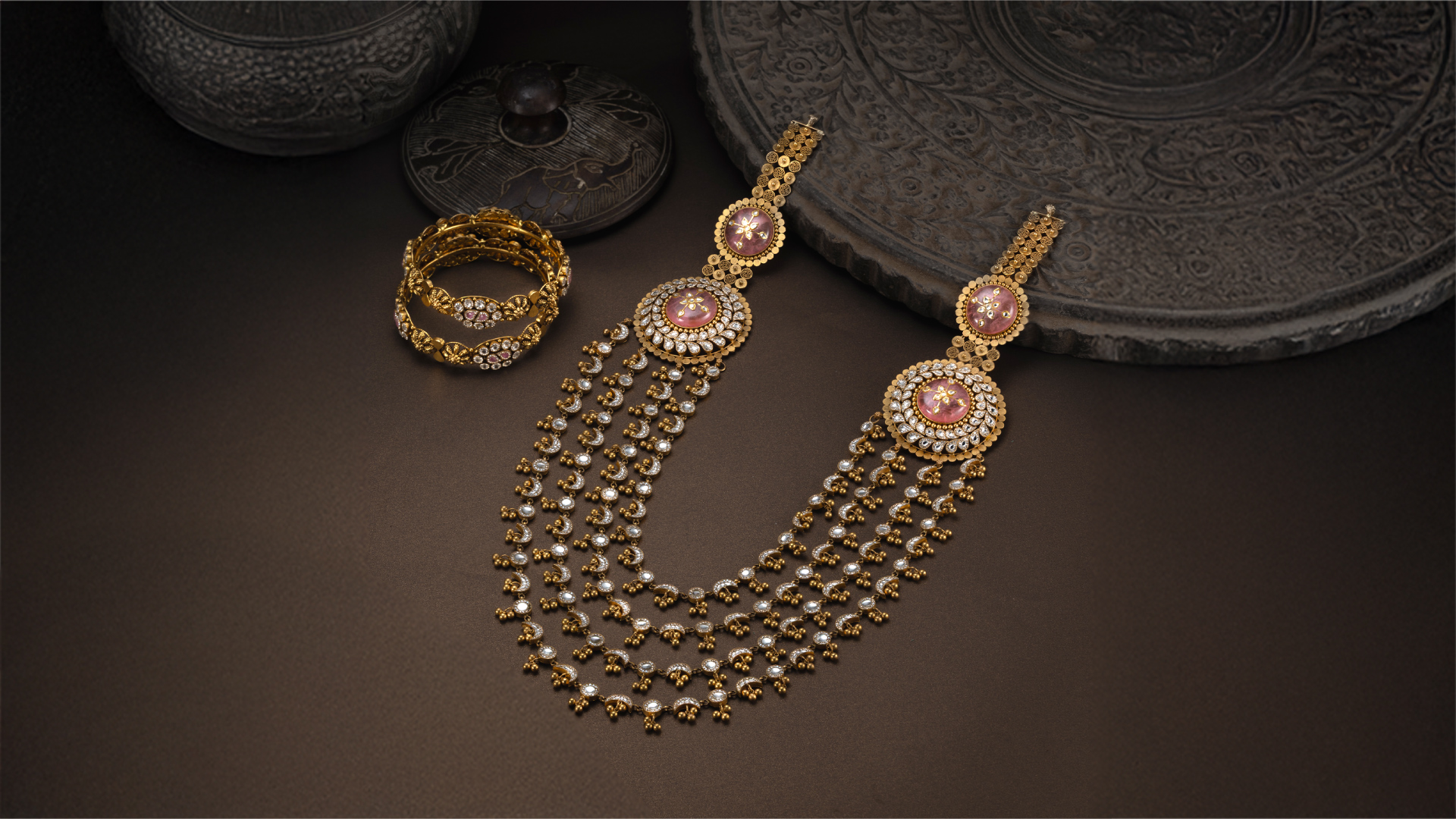
Buying gold jewellery is exciting but walking into a store and seeing terms like 18K, 22K and 24K can be confusing. What do these numbers mean? Does higher always mean better? Let us break it all down in simple words so you can shop smarter.
What Does 18K, 22K and 24K Actually Mean?
Karat measures how much pure gold is in your jewellery. Pure gold is too soft to wear, so it is mixed with other metals to make it stronger.
Gold purity is measured out of 24 parts:
- 24K — 99.9% pure gold
- 22K — 91.6% pure gold
- 18K — 75% pure gold
You can spot the karat on your jewellery through the BIS Hallmark stamp:
- 24K = 999
- 22K = 916
- 18K = 750
Higher karat means more gold. But more gold does not always mean better jewellery . it depends on what you need.
24K Gold The Purest Form of Gold
24K gold is 99.9% pure the closest you can get to real gold in its natural form.
Key points:
- Brightest and most vivid yellow colour
- Too soft for everyday jewellery scratches and bends easily
- Best for gold coins, bars and investment
- Highest resale value per gram
22K Gold The Most Popular Choice in India
22K gold is the sweet spot for Indian jewellery buyers. With 91.6% purity, it is close to pure gold but strong enough to be shaped into beautiful designs.
Key points:
- Rich yellow colour loved in traditional Indian jewellery
- Strong enough for intricate designs and heavy pieces
- Most widely bought and sold karat in India
- Best for necklaces, bangles, chains and traditional sets
- Good resale value across all jewellers
18K Gold: The Strongest and Most Durable Option
18K gold contains 75% gold mixed with stronger metals, making it harder and more scratch resistant than 22K and 24K.
Key points:
- Best choice for diamond and stone-set jewellery
- Available in yellow gold, white gold and rose gold
- Holds stones more securely due to its hardness
- Great for rings, bracelets and daily wear pieces
- Lower gold content means lower price per gram
Which Karat Should You Wear Daily?
Not all gold is built for daily use. Here is how each karat performs:
24K — Not recommended for daily wear. Too soft, scratches and bends easily with regular use
22K — Suitable for simple everyday pieces like plain chains and bangles if handled with care
18K — Best choice for daily wear. Hard, durable and scratch resistant even with rough use
If you wear rings or bracelets that constantly touch surfaces, always go for 18K for daily use.
Which Karat Do Most Brides Choose?
Indian brides, especially in South India, traditionally prefer 22K gold for their bridal sets. The rich yellow tone looks stunning in photographs and under wedding lights.
Smart bridal jewellery approach:
- Heavy sets, necklaces and bangles — choose 22K
- Diamond rings and stone pendants — choose 18K
- Pure gold coins for gifting — choose 24K
This combination gives you the best of beauty, durability and value on your special day.
Which Karat Gives Better Returns?
When it comes to investment, purity is everything:
- 24K gives the best returns. Highest purity and best resale value per gram
- 22K is a good store of value but making charges apply during resale
- 18K gives the lowest returns due to lower gold content
Pro tip: If investment is your main goal, buy 24K gold coins or bars rather than jewellery. Jewellery involves making charges and wastage that are not recovered during resale.
Final Thought:
Choosing the right karat is not complicated once you know what you need. For daily wear, 18K is the smartest choice. For traditional and bridal jewellery, 22K gives you the perfect balance of purity and beauty. For diamond jewellery, 18K holds your stones securely. And if investment is your goal, 24K gold coins or bars are the way to go.
At Lulu Gold, we offer a beautiful range of 18K, 22K and 24K jewellery crafted with certified BIS hallmark quality. Visit us today and let our experts help you find the perfect piece that matches your style, purpose and budget.