What Are Gold Making Charges? A Complete Guide for Jewellery Buyers
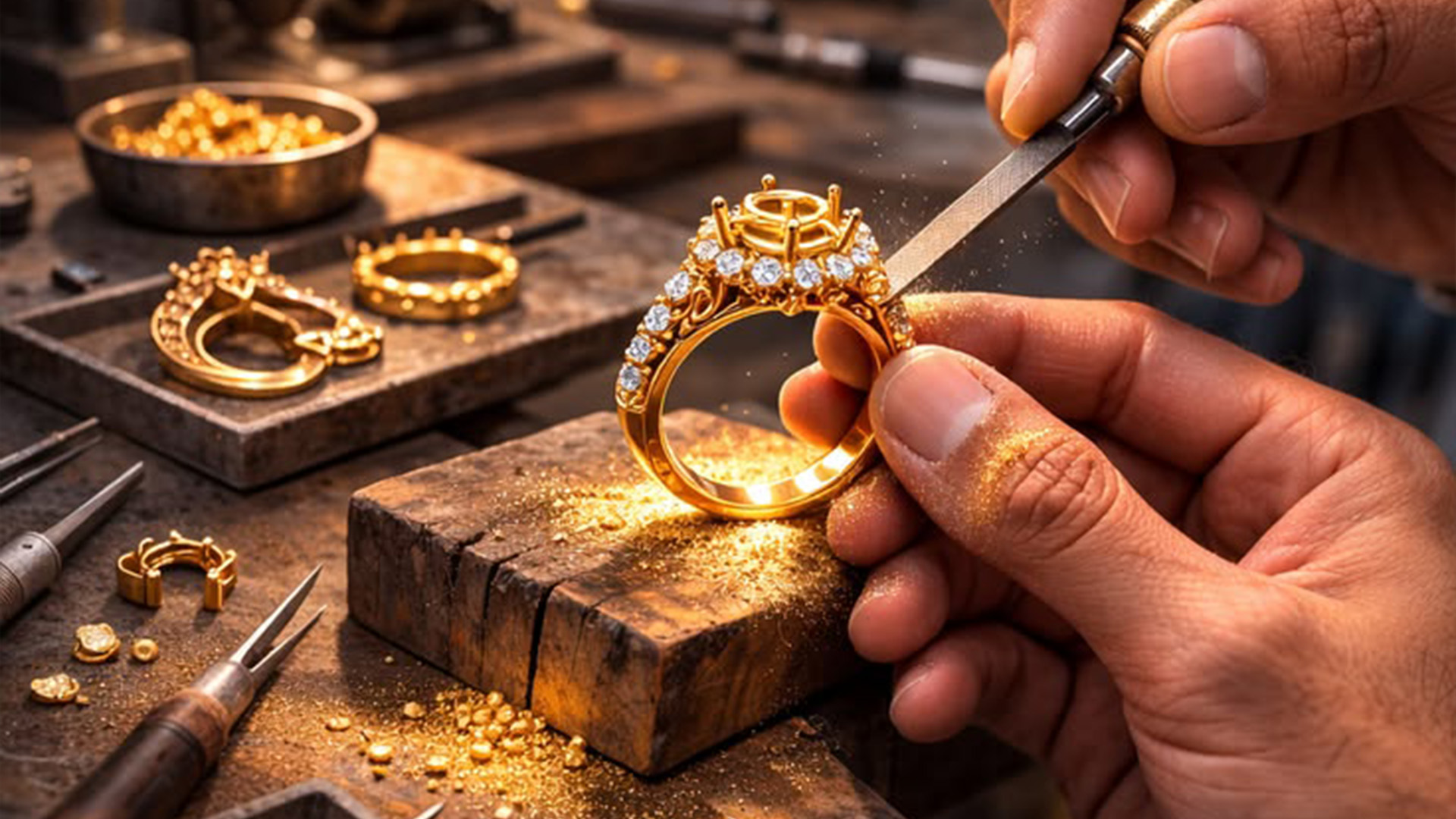
Understand why making charges are added to gold jewellery prices and how you can save money while buying gold.
When buying gold jewellery, many customers focus only on the gold price per gram. However, the final price you pay is often higher than the gold rate. This difference is mainly due to gold making charges
For first-time buyers especially, this can be confusing. What exactly are making charges? Why do we have to pay them? And how can you reduce these costs?
In this guide, we’ll break down everything you need to know about gold making charges in India, so you can make smarter and more informed jewellery purchases.
What Are Gold Making Charges?
Gold making charges are the labour costs involved in crafting a piece of jewellery. These charges cover the effort, skill, and time taken by artisans to design and create the jewellery.
Every piece of gold jewellery - whether it’s a simple chain or an intricate bridal set - requires craftsmanship. Making charges reflect the value of this work.
Why Do We Pay Making Charges on Gold Jewellery?
Gold jewellery is not just raw gold; it is a finished product created through skilled craftsmanship. Making charges are applied because:
- Jewellery requires designing and detailing
- Skilled artisans invest time and expertise
- Advanced techniques are used for modern designs
- Finishing, polishing, and setting stones add extra work
In simple terms, making charges are the cost of turning raw gold into beautiful jewellery.
Why Making Charges Are Added to Gold Prices
The total price of gold jewellery includes more than just the gold value. It typically consists of:
- Gold rate (per gram)
- Weight of the jewellery
- Making charges
- GST (tax)
Making charges are added because jewellery involves design, labour, and finishing costs, which are separate from the gold’s market value.
Types of Gold Jewellery and Their Making Charges
Making charges vary depending on the type and complexity of jewellery.
Simple Jewellery
Items like chains, plain rings, and basic bangles usually have lower making charges because they are easier to produce.
Designer Jewellery
Modern and stylish designs often have moderate making charges due to additional detailing and finishing.
Bridal Jewellery
Heavy and intricate bridal sets typically have higher making charges because of complex craftsmanship and detailed work.
How Gold Making Charges Are Calculated
Gold making charges are generally calculated in two ways:
Percentage-Based
A percentage of the gold price (for example, 8% to 20% of the total gold value).
Per Gram Rate
A fixed charge per gram of gold used in the jewellery.
The method used depends on the jewellery design and the jeweller’s pricing policy.
Tips to Save on Gold Making Charges
While making charges are unavoidable, there are smart ways to reduce them:
Compare Before Buying
Check making charges across different jewellery stores before making a purchase.
Choose Simple Designs
Minimal and lightweight jewellery usually has lower making charges.
Look for Offers
Jewellery brands often provide discounts on making charges during festivals and special promotions.
Buy from Transparent Brands
Choose jewellers who clearly explain pricing and charges without hidden costs.
Plan Your Purchase
Buying during offers or through savings schemes can help you reduce overall costs.
Final Thoughts: Understanding Gold Pricing Better
Understanding gold making charges is essential for anyone buying jewellery. It helps you know exactly what you are paying for and ensures complete transparency.
Gold jewellery is not just about the metal — it is about craftsmanship, design, and quality. Making charges reflect the effort that goes into creating each piece.
At LULU GOLD, we focus on transparent pricing, certified gold, and quality craftsmanship, ensuring that customers receive true value with every purchase.